
Sleep issues in psychiatry encompass a broad spectrum of disturbances that can significantly impact mental health, including insomnia, hypersomnia, sleep paralysis, nightmare disorder, and circadian rhythm disruptions. These problems often serve as both symptoms and contributors to psychiatric conditions such as depression, anxiety, bipolar disorder, and schizophrenia, creating a complex bidirectional relationship. Unique to psychiatric contexts, sleep disturbances can exacerbate emotional regulation difficulties, impair cognitive function, and hinder treatment outcomes, emphasizing the importance of integrated approaches that address both mental health and sleep hygiene.
Symptoms
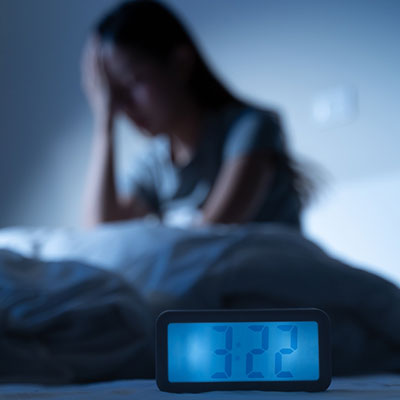
Sleep disturbances as per Insomnia doctor in Ballari often manifest through a range of symptoms such as prolonged struggles to fall asleep, multiple awakenings throughout the night, and premature morning awakenings that cut sleep short. Individuals may wake feeling unrefreshed, resulting in persistent fatigue during the day, which can contribute to irritability, difficulty focusing, and memory issues. To combat these effects, many turn to excessive caffeine intake or frequent naps, creating a vicious cycle that perpetuates poor sleep quality and hampers overall daily performance and well-being.
Impact
Sleep issues can profoundly affect a person's overall well-being by impairing cognitive function, reducing emotional resilience, and weakening the immune system, which increases vulnerability to illnesses. They often lead to decreased productivity, strained relationships, and heightened stress levels, creating a cycle that exacerbates mental health problems such as anxiety and depression. Additionally, chronic sleep disturbances as per Sleep disorder specialist in Ballari can contribute to long-term health conditions like cardiovascular disease and diabetes, highlighting the critical importance of restorative sleep for maintaining both mental and physical health.
Treatment
Addressing sleep issues is a multifaceted approach that includes evaluating the patient's mental health history, current stressors, and lifestyle habits, as well as examining potential underlying psychiatric conditions such as anxiety, depression, or trauma. They also assess medication use, substance intake, and sleep hygiene practices, while possibly utilizing sleep diaries or questionnaires to identify patterns. Additionally, psychiatrists may explore circadian rhythm disruptions and consider the impact of environmental factors, tailoring treatment plans that may involve psychotherapy, medication adjustments, or behavioural interventions like cognitive-behavioural therapy for insomnia (CBT-I) to restore healthy sleep patterns and Poor sleep treatment in Ballari.
For a tailored and compassionate strategy to address your sleep difficulties, consider consulting Dr. Nishanth M Hulagi at Manomithra Clinic in Bellary, who specializes in personalized sleep solutions and holistic mental health care to help you achieve restful nights. Renowned for his compassionate care and individualized treatment plans, Dr. Hulagi expertly addresses the complex facets of mental health, guiding patients toward restful sleep and overall well-being with empathy and dedication.
 Video Consultation